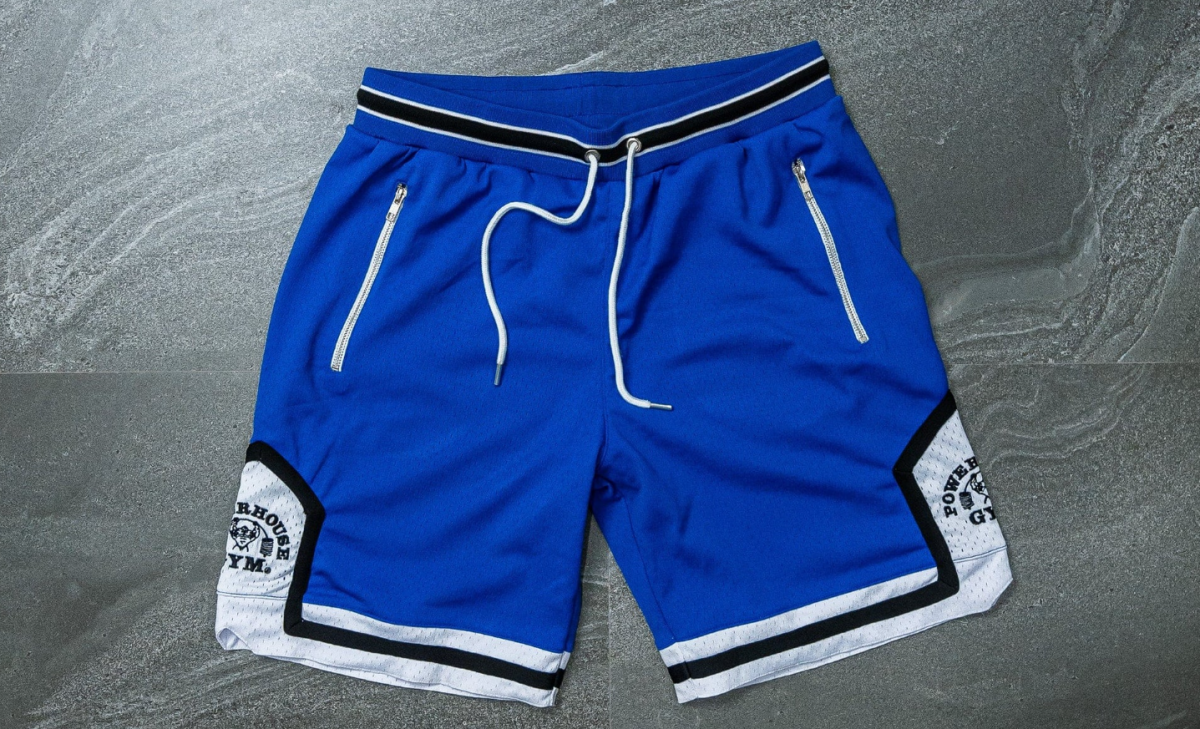
Basketball shorts need to stay comfortable through defensive slides, quick cuts, jumps, and sudden changes of direction. A pair that feels right off the court may become distracting during a game if the waistband slips, the fabric clings to sweaty skin, or the hem catches around the knees.
Length, fabric weight, ventilation, and fit all influence how shorts perform. Some players prefer longer, relaxed styles, while others favor shorter cuts with less material around their legs. Neither approach is inherently better. This guide covers basketball shorts sizing, materials, construction, and care, with practical advice for choosing a pair suited to your body type and playing routine.
What Makes Basketball Shorts Different From Regular Shorts?
Basketball demands frequent transitions between upright running, low defensive stances, lateral movement, and explosive jumps. Shorts designed for the sport typically accommodate these movements through their cut and construction. Common features include:
- Roomy leg openings that allow deep knee bends and lateral movement.
- Lightweight synthetic fabrics that dry relatively quickly.
- Elastic waistbands that stay secure during acceleration and jumping.
- Athletic cuts with sufficient space through the hips and thighs.
- Breathable fabrics or ventilation panels that help release heat.
Not every basketball-specific design includes all these features. Some modern styles have a slimmer fit, while general-purpose training shorts may offer comparable mobility. Running shorts can work for individual shooting sessions or recreational basketball, although their shorter inseams and narrower cuts may provide less coverage. Heavy cotton shorts are comfortable for casual wear but can become damp and cumbersome during intense games. The important distinction is how the garment behaves during play. Shorts should move with the body without pulling across the hips, twisting around the legs, or requiring constant adjustment.
How to Choose the Right Basketball Shorts Size and Fit
A good fit gives you room to move while keeping the waistband in place. Excessively loose shorts can shift during play, while tight designs may pull across the thighs or restrict hip movement. Start with your waist and hip measurements rather than relying on the size printed on the label. A medium from one manufacturer may fit differently from the same size offered by another.
Understanding Basketball Shorts Sizing
Most brands offer sizes from XS to XXL or larger, but measurements and intended fits vary. Some shorts use a traditional relaxed basketball cut; others have a slimmer athletic silhouette. Measure your natural waist and the fullest part of your hips with a flexible tape measure. Compare both measurements with the manufacturer’s size chart and check whether the shorts are labeled regular, relaxed, or slim fit. Size charts may list body measurements or actual garment dimensions. These are not interchangeable. A garment’s waist measurement may also refer to the waistband when relaxed or stretched, so check the manufacturer’s instructions before comparing figures. If your measurements fall between sizes, consider the hip dimensions and leg opening before sizing up. Choosing a larger pair for extra thigh room may leave the waistband too loose. Players with muscular thighs often benefit from a relaxed cut even when their waist measurement fits a standard size. Those with narrower hips may prefer a more tailored design that reduces excess fabric.
Testing Fit Through Basketball Movements
When trying on basketball shorts, test them with movements used during actual play:
- Lower into a defensive stance with your knees bent and feet apart.
- Perform a deep squat to check for tension across the seat and thighs.
- Take several lateral steps and watch for twisting or excessive riding up.
- Raise each knee toward your chest to assess hip mobility.
- Jump lightly to check whether the waistband remains secure.
Some movement at the hem is normal. Persistent bunching, slipping, or pulling indicates that another size or cut may fit better. A comfortable pair should allow these movements without restricting your stride or forcing you to readjust the garment between possessions.
What Is the Best Length for Basketball Shorts?
Basketball shorts length varies from compact athletic cuts to loose styles extending below the knee. The best choice depends on coverage preferences, body proportions, and how the fabric moves during play. The inseam is measured from the crotch seam to the bottom of the leg opening. It provides a more useful comparison than overall garment length, although the rise and waistband position also affect where the hem falls.
| Inseam | Typical fit | Common preference |
| 5–6 inches | Shorter cut with less fabric around the thighs | Players who prefer minimal coverage and a compact fit |
| 7–8 inches | Moderate coverage with relatively little fabric around the knees | Training and recreational basketball |
| 9–10 inches | Longer coverage that may approach the knee | Traditional basketball styling |
| 11 inches or more | Extended coverage, sometimes below the knee | Players who prefer longer, loose-fitting shorts |
These ranges describe common styles rather than fixed industry standards. A 9-inch inseam can fall above the knee on a tall player but reach the knee on someone shorter.
Shorter vs. Longer Basketball Shorts
Shorter shorts reduce the amount of material around the thighs and knees. They can feel less cumbersome during quick footwork, especially for players who prefer a lightweight athletic fit. Longer shorts provide additional coverage and the traditional basketball silhouette. They can still allow unrestricted movement when the leg openings are wide enough and the fabric does not bunch around the knees. Length alone does not determine performance.
A short pair with narrow leg openings may restrict movement more than a longer, relaxed design. A 7–9-inch inseam offers a useful starting range when trying different styles. It is not a performance standard, and the most comfortable basketball shorts fit depends on individual proportions rather than playing position.
How to Measure Your Preferred Length
If you already own comfortable athletic shorts, lay them flat and measure the inside seam from the crotch to the hem. Use that measurement when comparing products online. Also check the rise, which is the distance from the crotch seam to the waistband. Two pairs with identical inseams can sit differently on the body because of their rise and waistband placement. Product photos featuring models of comparable height and build can help show where the hem falls. Actual garment measurements remain more reliable than photographs alone.
Best Materials for Basketball Shorts
Fabric affects how basketball shorts handle perspiration, friction, repeated washing, and movement. Two pairs with similar cuts can feel noticeably different because of their fiber composition and construction. Lightweight polyester and polyester blends are practical choices for regular basketball. Nylon and stretch blends are also available, while cotton is generally better suited to casual wear or low-intensity activity.
Polyester: Lightweight and Quick-Drying
Polyester is widely used in basketball apparel because it absorbs relatively little moisture into its fibers, dries quickly, and generally holds its shape through repeated washing. Performance polyester fabrics can spread perspiration across the material, allowing moisture to evaporate more efficiently. This helps prevent the heavy, damp feeling associated with sweat-soaked clothing. Polyester also tends to resist shrinking and requires relatively little maintenance when washed according to the care label.
However, fiber content does not determine comfort by itself. Thick, tightly constructed polyester can feel warmer than lightweight fabric with an open knit. Breathability and moisture management depend heavily on how the material is made.
Nylon and Stretch Blends
Nylon appears in some athletic shorts because of its durability, smooth texture, and abrasion resistance. These properties vary with fabric weight and construction. Manufacturers sometimes blend polyester or nylon with elastane, also known as spandex. Elastane allows the material to stretch and recover, making it particularly useful in fitted designs. Stretch fibers are less important in loose basketball shorts with generous leg openings. A well-cut garment can accommodate running, squatting, and jumping without relying on highly elastic material. When comparing blends, consider whether the added stretch improves comfort or merely compensates for a restrictive cut.
Cotton and Cotton Blends
Cotton feels soft against the skin and works well for casual shooting sessions, light activity, and everyday wear. Its main disadvantage during demanding exercise is moisture retention. Cotton absorbs perspiration and generally dries more slowly than lightweight performance synthetics. Once saturated, the fabric can become heavier and cling to the legs. Cotton-polyester blends may offer a softer feel while drying faster than pure cotton. The exact blend and fabric construction determine how the shorts feel and dry. For frequent full-court games and extended workouts, lightweight synthetic shorts are usually more practical.
Mesh, Polyester and Moisture-Wicking Fabrics
Fabric descriptions often combine terms that refer to different characteristics. Polyester identifies a fiber, mesh describes a fabric structure, and moisture-wicking refers to how a material transports liquid. Basketball shorts fabric can therefore consist of polyester mesh with moisture-wicking properties. These terms describe different aspects of the same garment.
Mesh Construction and Airflow
Mesh fabrics have openings or spaces within their knitted or woven structure. The open construction allows air to pass through the material, although ventilation varies with mesh density and layering. The size and arrangement of the openings influence airflow, weight, coverage, and durability. Open mesh can feel comfortable in warm gyms or during outdoor summer sessions. However, lightweight mesh may become partially transparent when stretched or exposed to bright lighting. Double-layered mesh provides additional coverage but can increase weight and reduce airflow. Check whether the shorts include a lining or another fabric layer, particularly when buying online.
How Moisture-Wicking Technology Works
Moisture-wicking fabrics use capillary action and engineered fabric structures to spread perspiration across the material, where it can evaporate more readily. Rather than allowing sweat to remain concentrated against the skin, the fabric moves moisture through spaces between fibers and distributes it over a larger area. Performance depends on fiber structure, fabric construction, and sometimes chemical finishes. Environmental conditions matter as well. Even effective moisture-wicking textiles dry more slowly in high humidity. Some athletic fabrics also receive odor-control or antimicrobial treatments. These serve a different purpose from moisture-wicking technology: they are intended to limit odor or microbial activity rather than transport sweat. Their effectiveness and durability vary by treatment. A moisture-wicking label alone does not guarantee comfort. Airflow, fabric thickness, and fit remain important.
Choosing Fabric Weight and Texture
Lightweight, breathable fabrics are often comfortable in hot conditions, although thin material alone does not guarantee good airflow. Very thin shorts may also provide less coverage or become transparent when stretched. Heavier fabrics can offer a more structured appearance but may trap additional heat. Texture deserves attention, particularly around the inner thighs. Rough seams, stiff panels, or coarse fabric can cause irritation during repeated running and lateral movement. Before buying, inspect the inside of the garment and stretch the material slightly to check its coverage. Smooth fabric, flexible seams, and comfortable movement matter more than decorative detailing.
Basketball Shorts for Games vs Training
Game shorts and training shorts share many requirements, but organized competition places additional restrictions on clothing. Official uniforms generally follow coordinated team designs. League and tournament regulations may specify acceptable colors, numbers, and other uniform details. Training shorts offer greater flexibility in length, appearance, and construction.
Choosing Shorts for Competitive Games
Competitive basketball requires clothing that stays secure through defensive possessions, rebounds, and fast transitions. Lightweight material and a stable waistband are particularly useful when players have limited opportunities to adjust their clothing. Game uniforms commonly omit pockets, but the rules governing pockets and other construction details vary by competition. Ordinary recreational shorts may not meet official uniform requirements even when they are comfortable for playing. When purchasing team shorts, confirm the applicable competition requirements before choosing a design.
Choosing Shorts for Practice and Workouts
Practice shorts need to tolerate frequent wear and washing. Durable synthetic fabrics and comfortable seams are practical choices for repeated sessions. Pockets can be useful when moving between the court, weight room, and locker room. Phones, keys, and other hard objects should be removed before playing to avoid discomfort and potential contact hazards. Players who wear compression shorts underneath should check that the outer layer provides sufficient room without bunching. For outdoor sessions, prioritize breathable materials and quick drying, especially in hot weather. Fabric that feels comfortable during a short indoor workout may behave differently during prolonged activity in direct sunlight.
Key Features to Look for When Buying Basketball Shorts
Once size, length, and basketball shorts material are settled, construction details can determine whether shorts remain comfortable after repeated use.
Waistband and Drawcord
A wide elastic waistband distributes pressure across a larger area and may feel more comfortable than a narrow band. An internal drawcord provides additional adjustment without leaving loose strings outside the garment. Flat drawcords can also sit more comfortably beneath a jersey. Stretch the waistband gently several times and check that it returns to its original shape. Weak elastic or uneven stitching may indicate poor construction. The waistband should hold the shorts in place without excessive tightening. If the drawcord must be pulled extremely tight to prevent slipping, the size or cut may be unsuitable.
Leg Openings and Side Slits
Wider leg openings give the thighs more room during cuts and defensive slides. Some basketball shorts include short side slits or notched hems. These provide additional room during wide steps and deep knee bends without requiring an excessively loose overall fit. Check whether the hem folds inward or catches against the thighs when squatting. This can reveal problems that are difficult to notice while standing.
Seams and Stitching
Seam placement influences comfort, particularly along the inner thighs where repeated movement creates friction. Smooth, flat seams can reduce rubbing, while bulky stitching or poorly finished edges may irritate the skin during extended sessions. Inspect high-stress areas around the crotch and side seams. Look for loose threads, uneven stitching, or gaps that become visible when the fabric is gently stretched. Reinforced stitching can improve durability, but poorly finished seams may fail regardless of fabric quality.
Pockets, Liners, and Extra Details
Pockets are convenient for recreational wear, commuting, and general gym use. Zippered pockets can secure belongings off the court but may be uncomfortable during contact play. Traditional basketball shorts are usually unlined, allowing players to choose their preferred underwear or compression layer. Some modern athletic styles include built-in liners for a more integrated fit. Reflective accents, decorative panels, and printed graphics have little direct influence on basketball performance. Their main value is appearance, although bulky details can affect comfort or weight.
How to Wash and Care for Basketball Shorts
Regular washing removes perspiration, skin oils, and odors. Proper washing also helps preserve the waistband, printed graphics, and specialized fabric finishes. Always check the garment’s care label before washing, particularly when the shorts contain elastane or heat-sensitive decorative elements.
Washing Basketball Shorts
For most synthetic basketball shorts, a cold or cool machine wash with a mild detergent is a practical option. Turn the shorts inside out to protect exterior graphics and reduce surface abrasion. Avoid overloading the washing machine, since tightly packed garments may not rinse thoroughly. Fabric softeners can leave residues that interfere with the moisture-management properties of certain textiles. Follow the manufacturer’s recommendations rather than using them automatically. For heavily soiled shorts, pretreat visible stains according to the care instructions. Hot water is not always necessary and may damage some elastic fibers or printed finishes.
Drying and Storage
Air drying is a gentle choice for many performance fabrics. Hang the shorts in a ventilated area away from excessive heat. Some garments tolerate low-temperature tumble drying, while others require air drying to protect elastane, finishes, or graphics. Do not leave damp shorts sealed in a gym bag after training. Wash them promptly or allow them to dry until they can be cleaned. Store shorts only when completely dry. Folding them in a drawer or hanging them is suitable for most designs.
When to Replace Basketball Shorts
Durable basketball shorts can withstand regular use for years, although frequent training and repeated washing gradually wear down the fabric and waistband. Common signs of deterioration include stretched elastic, damaged seams, thinning fabric, and permanent loss of shape. Fading is usually cosmetic. If the shorts still fit securely, provide adequate coverage, and allow comfortable movement, they can remain suitable for practice.
FAQ
Should basketball shorts be loose or fitted?
Basketball shorts should provide enough room through the hips and thighs for running, jumping, and defensive movement without excessive fabric shifting. A relaxed athletic fit works for many players, but slimmer designs can also be comfortable when the cut and material allow unrestricted movement.
Are 7-inch or 9-inch basketball shorts better?
Neither length is inherently better. A 7-inch inseam creates a shorter silhouette with less material around the thighs, while a 9-inch inseam offers additional coverage. Height, leg proportions, and personal preference determine which feels more comfortable.
Is polyester good for basketball shorts?
Yes. Polyester is lightweight, durable, and generally quick-drying, making it suitable for regular basketball training. Breathability varies with fabric construction, so a polyester label alone does not guarantee comfort.
Can you wear running shorts for basketball?
Running shorts can work for casual basketball and individual workouts if they provide adequate coverage and mobility. Narrow leg openings, short inseams, or restrictive built-in liners may make some running styles less comfortable during defensive slides and deep squats.
Do basketball shorts need pockets?
No. Pockets are convenient for casual wear and general gym activities but provide little benefit during competitive basketball. Phones, keys, and other hard objects should be removed before playing.